
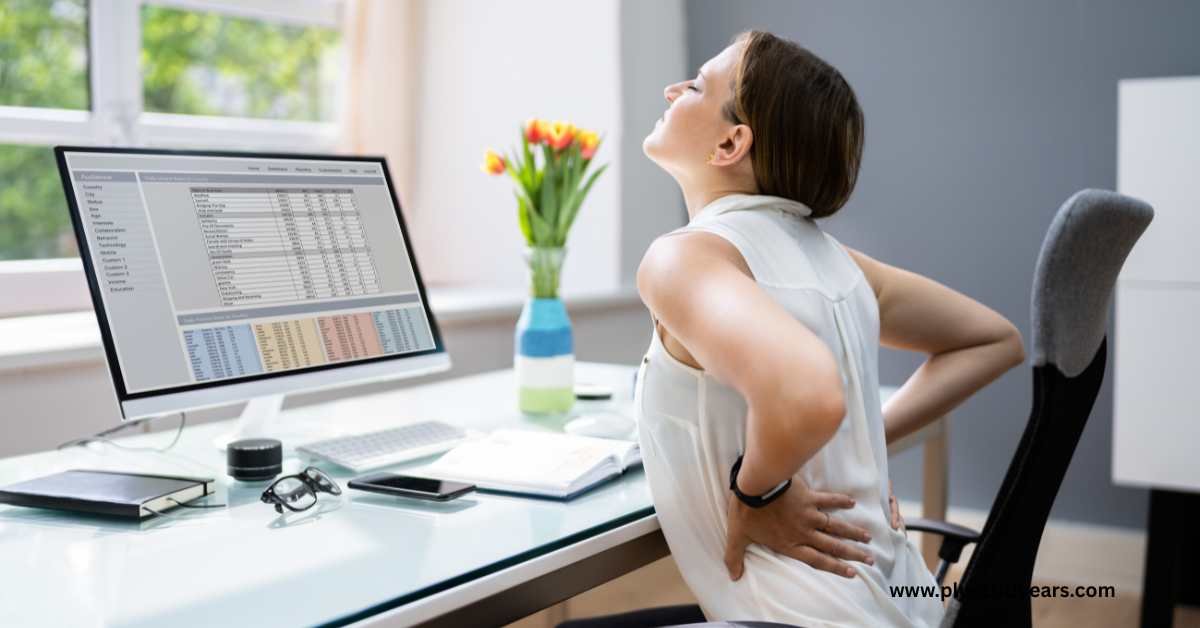
The search engine receives multiple daily queries about lower back pain causes because people seek answers to their unexplained back discomfort.
The guide ” Why Your Lower Back Hurts The Real Reason! ” explains the reasons behind lower back pain development and identifies typical causes and home-based pain relief methods, and proper lumbar support belt usage to avoid worsening the condition.
Quick Definition / POV
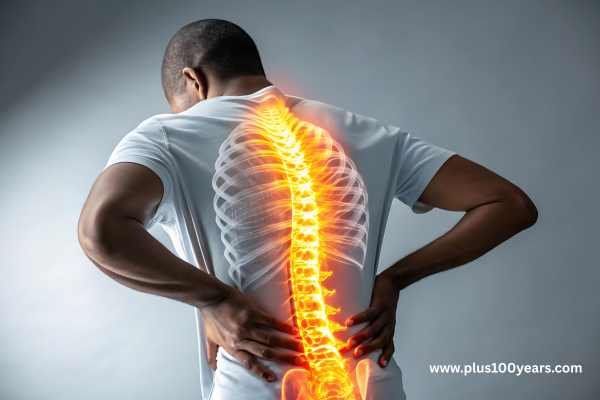
The term “lower back pain” refers to discomfort that occurs in the area that spans from your rib cage down to your pelvis. The pain presents as acute or dull sensations or muscle twitches that sometimes extend down the leg (sciatica).
The majority of cases result from mechanical problems that affect the muscles and ligaments and joints, and discs of the spine rather than serious medical conditions.
People achieve better results within a few weeks through movement practices and self-care methods, and natural healing time processes.
Back pain is so common that up to 8 in 10 people experience back pain at some point in their lives.
People search for “why do I have lower back pain” on internet search engines, which makes it the most popular health question on the web.
Did You Know?
The human body develops back pain from various causes that exist in the body and external factors. The human body reacts to specific natural defence mechanisms that protect the spine from damage.
10 Common Reasons Your Lower Back Hurts
1. Muscle strain: the classic answer to “why do I have lower back pain?”
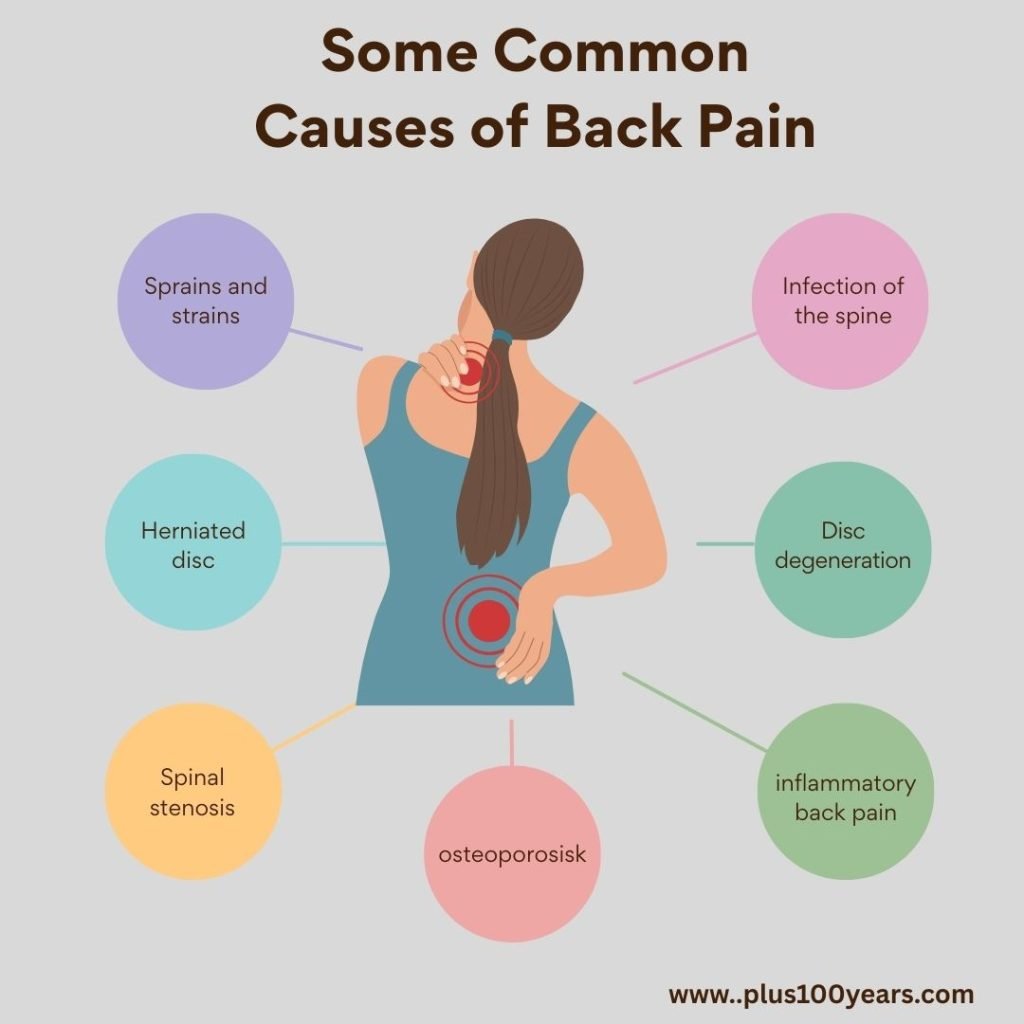
The most common cause of low back pain is a simple muscle or ligament strain. Your lower back muscles experience damage when you lift heavy objects with bad posture or perform sudden twisting motions, or push your workout limits too far.
You will experience sharp pain along with tightness and muscle spasms. Pain intensifies when you move, but it disappears during rest when you apply ice or heat to the affected area.
How to avoid Lower back pain
- When you lift objects, you should bend your hips and knees while keeping the item close to your body.
- Avoid jerking or twisting while carrying things.
- Perform warm-up exercises before your workout and finish with stretching routines for cooling down.
- Develop strong back muscles and abdominal muscles to maintain stable support for your spine.
2. Poor posture & long sitting: slow, steady strain on your spine
The practice of sitting in a slouched position while working at a desk or using a laptop or driving for extended periods creates stress on the lower back area.
Your body develops muscle strain from poor posture, which leads to pain signals becoming more active in your back and neck areas.
Great Tip
Maintaining a single position for too long with a rounded back posture will result in back pain, even though you did not sustain any direct injury.
How to avoid it
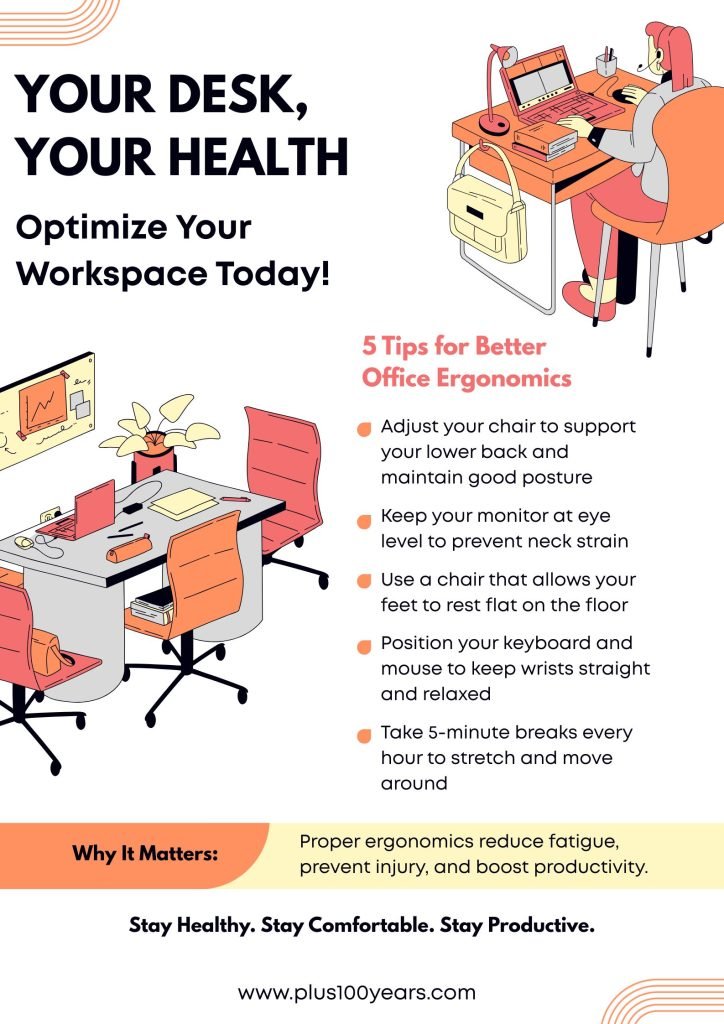
- Sit with your feet flat on the floor, knees about hip height.
- Keep your ears over your shoulders and your shoulders over your hips to improve posture.
- Use a small lumbar pillow or rolled towel to support your back at the natural curve.
- Stand up, stretch, or walk for 1–2 minutes every 30–60 minutes.
3. Weak core & lack of movement
Your core muscles (abs, back, and hips) act like a natural corset around your spine. A sedentary lifestyle results in weak back muscles, which makes it easier for daily tasks to cause back strain.
Research demonstrates that walking combined with Pilates and yoga, and tai chi, and specific stabilisation exercises helps people with chronic low back pain.
How to avoid it
- Aim for at least 150 minutes of moderate exercise per week (walking, cycling, swimming).
- Add 2–3 sessions of core-strengthening exercises that target muscles that support your spine.
- Start slowly; increase intensity over time to avoid back injuries.
- If you’re unsure what to do, ask a physical therapy professional for a customised program.
4. Wear-and-tear changes: discs, joints, and arthritis
The ageing process causes spinal discs to lose hydration and flexibility while joints develop osteoarthritis. These changes occur frequently in the body without causing pain, but they can produce pain in certain cases.
The conditions of degenerative disc disease and facet joint arthritis, and spinal stenosis lead to ongoing lower back pain and stiffness, which becomes worse during extended standing and walking activities.
How to avoid it (or slow it down)
- Maintain a healthy weight to reduce pressure on your lower back.
- Your body needs regular movement to keep blood flowing properly, which supports the health of your spinal structures.
Great Tip
Strengthen the muscles that support your spine, especially your glutes and core.
Avoid smoking because it can accelerate the degeneration process of your discs.
5. Nerve pain: sciatica and pinched nerves
Nerve irritation serves as the reason for pain in some cases when herniated discs press against nerve roots. Your low back pain becomes nerve pain that travels down your buttock and leg, and foot (sciatica).
You might feel burning, tingling, electric shocks, or numbness rather than just muscle ache. The pain becomes severe in certain cases, but conservative treatment leads to improvement in most patients.
How to avoid it
- Protect your back when lifting and twisting to reduce disc injuries.
- Your hips and hamstrings need to stay flexible through regular, gentle stretching routines.
- Treat flare-ups early with appropriate home remedies and medical advice.
- See a doctor promptly if you have leg weakness, loss of bowel/bladder control, or rapidly worsening symptoms.
6. Everyday habits that quietly cause back pain
Your back can start hurting because of the ordinary activities that you perform throughout the day.
Sleeping on a mattress that’s too soft or sagging
Your footwear lacks proper support when you stand or walk in it.
Your risk of back injury increases when you bend at the waist instead of using your hips for bending.
Improper lifting techniques at home and work environments create risks for back injuries.
The daily repetition of these habits over extended periods leads to pain development.
How to avoid it
- When you sleep on your back, try placing a pillow under your knees to ease back pain.
- When you sleep on your side, you should place a pillow between your knees to reduce spinal strain.
- Keep heavy items at waist height—avoid lifting from the floor repeatedly.
- Adjust kitchen, desk, and work surfaces so you don’t constantly hunch or twist.
7. Chronic back pain & other health conditions
Chronic back pain refers to pain that persists for three months or longer, while showing up in recurring episodes. The condition develops from either an acute injury that fails to heal completely or from arthritis or spinal stenosis, or other structural spinal problems.
Stress and negative emotions, along with inadequate sleep and ongoing inflammation, contribute to chronic low back pain.
” A good treatment plan needs physical therapy and movement exercises, and sometimes mind-body techniques in addition to medication. “
How to avoid or manage it
- Work with a healthcare professional to identify possible causes and create a treatment plan.
- Use gentle exercise, stretching, and physical therapy instead of long-term bed rest.
- Practice stress management (breathing exercises, meditation, yoga).
- Get enough sleep; poor sleep can increase pain sensitivity.
8. Home remedies that may help relieve lower back pain
For many cases of low back pain, simple home remedies can help relieve pain and support healing:
Cold then heat: Right after a strain, an ice pack may help reduce swelling and numb the area. After 24–48 hours, switching to heat can relax tight muscles and increase blood flow.
Gentle movement: Short walks and light stretching often help more than staying in bed.
People can minimise their back pain through brief over-the-counter nonsteroidal anti-inflammatory drugs (NSAIDs) like ibuprofen when they use them according to directions. Use them as directed and talk with your doctor, especially if you have other health conditions.
Acupuncture, massage, or spinal manipulation: These may help with back pain relief for some people with chronic low back pain, especially when combined with exercise.
How to use home remedies wisely
- You should not stay in bed for more than 48 hours unless your doctor provides different instructions.
- Protect your skin when using ice or heat; never apply directly for long periods.
- Stop any activity that significantly increases pain or causes new symptoms.
- Seek medical attention immediately when back pain reaches severe levels or lasts beyond several weeks, or you experience red flag symptoms, including fever and weight loss and weakness and bladder or bowel control problems.
9. How to avoid lower back pain in everyday life
The body needs to prevent future back pain as much as it needs to treat existing lower back pain. The practice of preventing lower back pain serves to protect your spinal health while reducing the risk of future flare-ups.
How to avoid it
- Your body needs regular movement to prevent health issues from long periods of sitting, while you should take brief movement breaks during your workday.
- Maintain a healthy body weight to reduce pressure on your lower back.
- Select low-impact exercises that boost blood circulation, such as walking and swimming and cycling, instead of activities that put pressure on your joints.
- Keep screens at eye level and keyboards close to avoid rounded-shoulder posture.
- The early signs of low back pain need treatment because brief discomfort responds better to treatment than long-term chronic pain.
Great Tip
Begin your core strengthening routine with two to three weekly sessions to build spinal support and achieve lasting back pain relief.
10. How to use a lumbar support belt safely (without becoming dependent)
The lumbar support belt functions as a back brace, which helps people who experience lower back pain during specific situations that include short-term use for lifting activities and injury recovery and chronic pain management under medical supervision.
Some assists are even classed as mechanical back supports in formal treatment plans.
But learning how to use a lumbar support belt correctly is crucial. Using a belt excessively will lead to back muscle weakness because you depend on the belt instead of working on your strength development.
How to use it
- The product should be used for particular jobs and never as a continuous operation tool. You should wear your belt during lifting activities and household chores, and while sitting for extended periods, but take it off afterwards to let your muscles function independently.
- The fit needs to be tight, but it should not create a feeling of constraint. The device should provide support to your lower back area while maintaining proper airflow and avoiding any discomfort to your ribs and hips.
- Wear it over a thin layer of clothing. The product functions as a protective barrier between clothing and skin, while it also absorbs sweat.
- Pair it with exercise. The support system assists better walking stability and core exercise,s and physical therapy initiation, but not for movement elimination.
- An Orthopaedic Lumbar Support Belt functions as a back brace that provides adjustable compression to support your lower back during daily activities. Always check with your healthcare provider if you have osteoporosis, recent back surgery, or other medical conditions before using any belt regularly.
Lower Back Pain Caring Tips
Step 1: Notice patterns—when does your low back pain occur, and what movements or postures trigger it?
Step 2: Tackle the basics first: posture, daily movement, core strength, sleep, and simple home remedies like ice and heat.
Step 3: Use tools like a lumbar pillow or lumbar support belt strategically, and see a healthcare professional if pain is severe, lasts longer than a few weeks, or comes with red flag symptoms.
Understanding why lower back pain occurs—and making a few steady changes to how you sit, move, sleep, and support your back—can help you find long-term relief from low back pain and keep you doing the everyday activities you love.
Also Read :
6 Useful Exercises for Back Pain at Home
How to Overcome Back Pain Naturally