
Updated : 23-02-2026 ; Authors: Ashritha Pendkar & Hetal Mehta ( Dietitian)
The Indian Diet Secret Their Ancestors Had for a Long Life and Was Forgotten by the Rest of the World: Our Forefathers’ Traditional Food Wisdom.
Modern diet temptations come to us with promises of quick recovery – keto, fasting apps, supplements, superfoods imported from abroad.
However, we Indians have been leading a healthy and active lifestyle for decades, even without the aid of nutrition charts or calorie counting.
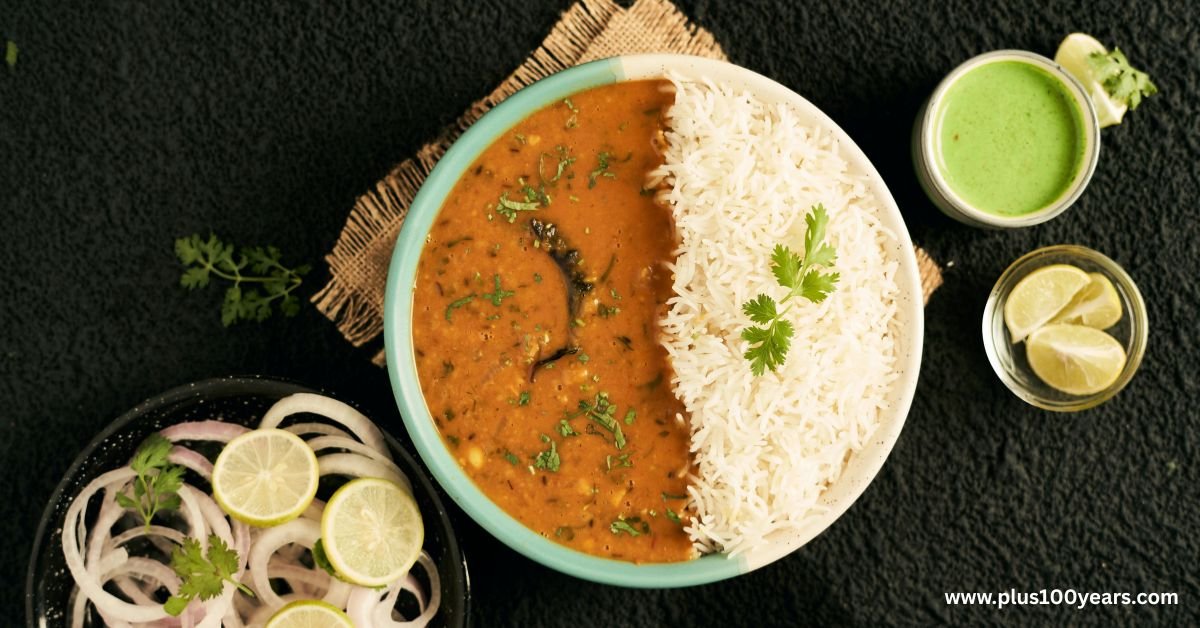
Indian Diet Secret
This secret is hidden in the traditional Indian diet plan, a diet system intertwined with Ayurveda, awareness of the seasons, and habits of mindful eating. We’ll explore this age-old wisdom layer after layer.
Step 1:
Sattvic Foods — Your Body’s Greatest Fuel, Not Just Hunger Satisfaction
Indian tradition had a classification system of foods based on how they affected the body and mind.
Sattvic foods were the ultimate choice for a longer life as they raise one’s consciousness, keep one’s health balanced, and provide the required energy for a vibrant life.
Examples of Sattvic Foods
- Fresh fruits and vegetables
- Whole grains
- Milk and ghee (in moderation)
- Nuts and seeds
- Moong dal
- Fresh homemade meals
Why is Satvik food the best?
Compared to highly processed food, sattvic meals have been
- Light for the stomach, easy to digest
- High in nutrients
- Good for the mind in a natural way
Ayurveda also talked about the effects of food on our mind, over and above the nourishment of the body. When the digestive system is calm, one is emotionally stable, receptive to the immune system, and vice versa.
Tradition: “Food needs to be fresh, simple, seasonal, and as natural as possible.
Step 2:
Seasonal Eating — A Practical Guide to Nutrition, India
Indian ancestors did not consume the same foods all year round. They observed Ritucharya, which means the eating habit is changed according to the season.
Why?
The reason is that the strength of digestion varies according to the weather.
Examples of Seasonal Wisdom:
- Summer: Consumption of foods with cooling properties, such as buttermilk, cucumber, and coconut water
- Monsoon: Consumption of light and warm foods to facilitate digestion
- Winter: Consumption of calorie-dense foods such as sesame, millet, and ghee
Present-day dietetic knowledge confirms this idea – seasonal fruits and vegetables are high in minerals that the body at that time of the year needs most.
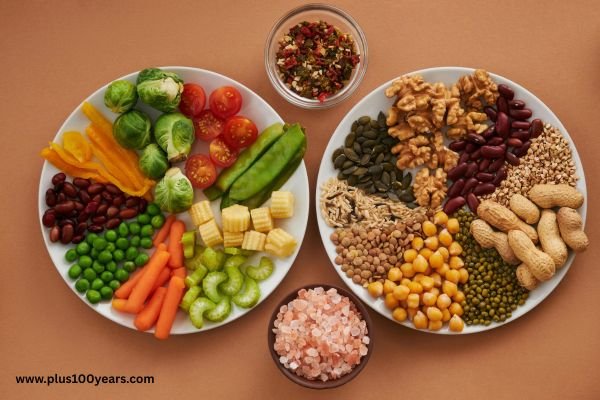
Benefits of eating seasonal foods
- Boosts the immune system
- Maintains good function of the intestines
- Prevents lifestyle diseases
Indeed, Nature prepares the proper diet every season — we just have to obey it.
Step 3:
Millets & Ancient Grains — India’s Real Superfoods
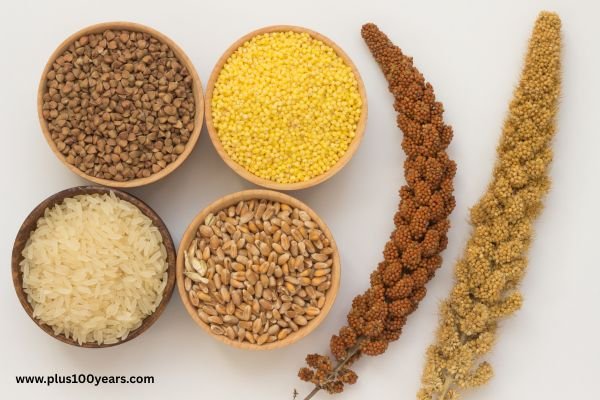
Historically, Indians depended on millets and traditional grains in their diets even before polished rice and refined wheat became popular. These are, in fact, being newly identified as “superfoods.”
Ancient Grains of Importance
- Ragi (Finger millet)
- Jowar (Sorghum)
- Bajra (Pearl millet)
- Foxtail millet
- Red rice and hand-pounded rice
Among the advantages of these grains are
- High content of fibre
- Low glycemic index
- Rich in minerals like calcium and iron
Millets & Ancient Grains contribute to
- The regulation of blood sugar
- The production of sustained energy
- Good digestion
Scripture emphasised sustained nourishment instead of instant satiety.
Step 4:
Eating Timings — The Hidden Longevity Habit
Traditional Indian diets focused on the timing of the meals as much as on the content of the meals.
According to Ayurveda, the process of digestion is similar to a fire (Agni). Our digestive fire manifests itself most strongly at noon.

Traditional Eating Patterns
- Morning: Coventry Light and warm food
- Afternoon: Main meal of the day
- Evening: Early, light dinner before sunset
Reasons for this method:
- Corresponds with the circadian rhythm
- Improves metabolism
- Enhances sleep quality
If you eat late at night, as many people nowadays do, your digestion will be weak and you will accumulate toxins (in Ayurveda, this is called Ama).
Simple rule: Eat with the sun, not the clock.
Ayurveda Food Rules — Simple Practices with Powerful Impact
Indian food culture is embedded with mindfulness that is supported by the science of the 21st century.
Ayurvedic Food Principles at the Core
1. Freshly cooked: Food. Refrain from consuming food that has been reheated or stale.
2. Eat peacefully, without distractions: When the mind is at rest, the body will signal its readiness for digestion.
3. Avoid Overeating. Fill the stomach:
- 50% with food
- 25% with water
- 25% remains empty for digestion
4. Use wise combinations of food
Example: Do not mix heavy dairy and sour foods.
Great Diet Tip
Instead of cold water, prefer to drink warm water
It tones up the digestion and uptake of the nutrients.
None of the rules holds more power/value than this one, as all the others in one way or another address prevention of stress/strain in the digestive system, which is the main reason for chronic illness!
The Real Secret of the Traditional Indian Diet Plan
The traditional Indian diet was not a story of denial, but rather it was a story of balanced, aware, and in harmony with nature.
It was centred around:
- Fresh local foods
- Seasonal adaptation
- Mindful eating
- Natural digestion rhythms
Longevity is not something to pursue; it simply spontaneously existed for. Nowadays, even taking a few of these reminders into consideration will help to increase your energy level, to strengthen your immune system, and to achieve inner peace.
Conclusion:
From time to time, it has proven that the best solution for better health is found in our old traditions. Mix ancient indian diet secrets with modern indian life for better living.
Recommended for You
Why Is Shilajit Linked to Longevity ?
Why Do Top Nutritionists Recommend Diet Protein Powders for Busy Professionals?
How Your Diet Affects Your Fitness Level: The Importance of a Healthy Diet
Reach us for More Wellness Tips: WhatsApp: +91 9398601060