

Updated: 10-02-2026; Author: Dr Anuradha Kapoor (Diabetologist)
Diabetes is a condition where the level of sugar in your blood can get too high.
This can be due to your body’s inability to make enough insulin, or because it loses sensitivity to it (or both).
If left untreated, it can lead to problems with your heart, kidneys, and vision.
There are 3 types of diabetes:
Type 1 diabetes is an autoimmune condition this is one type of diabetes. This means your immune system destroys the cells that produce insulin.
As a result, you have to take insulin every day to survive.
Type 2 diabetes is the most common type of diabetes, caused by your body’s inability to respond to insulin or produce enough insulin.
It’s often caused by being overweight, inactive, or having an unhealthy diet.
Gestational diabetes: occurs during pregnancy. For most women, it goes away on its own after giving birth.
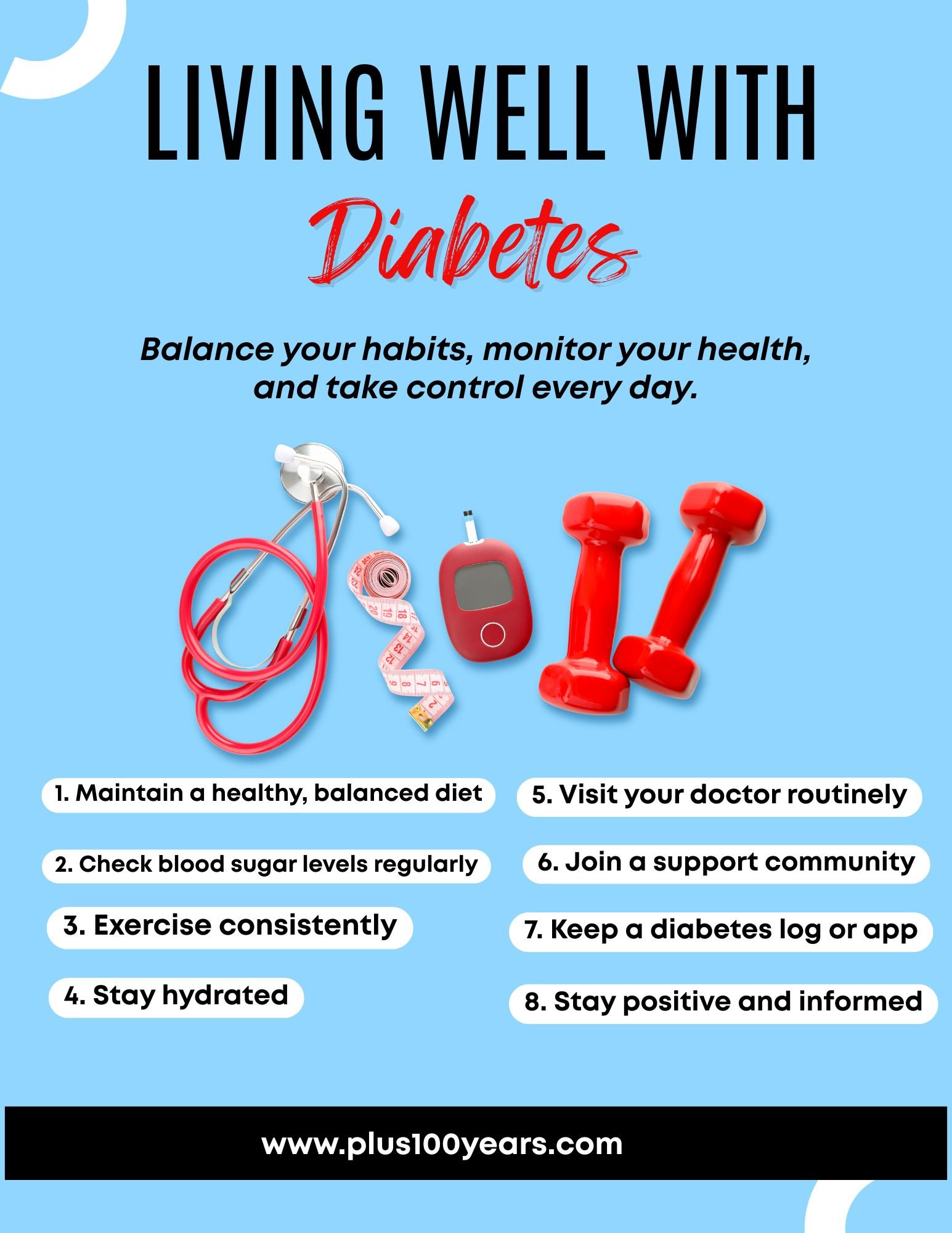
Whatever form of diabetes you may have, it’s important to prioritise your health to keep your condition well-managed.
Top 3 Diabetes Management Tips
Tip 1: Be educated
Being educated about diabetes, including symptoms and causes, ensures you have enough information to implement the changes in your life to manage your diabetes and prevent it from worsening.
For example, recognising signs like increased thirst and unusual fatigue can indicate low sugar levels.
Additionally, have regular discussions with your doctor about your diabetes. They can accurately monitor your progress and check whether adjustments to a specific diet or health care plan are needed.
Also, make sure you have routine check-ups, including the ABC tests:
- A1C test: Measures your average blood sugar levels over a 2-3 month period.
- Blood pressure test: Monitoring your blood pressure when you’re diabetic is important, as high blood pressure could contribute to cardiovascular illness.
- Cholesterol test: Measures LDL (bad cholesterol) and HDL (good cholesterol) levels.
Tip 2: Eat healthily
Although there’s no specific diet you need to follow, it’s beneficial to avoid food that will worsen your condition.
Eat a variety of vegetables, fruits, protein-rich foods, and nutrient-dense foods.
Avoid simple carbs, such as white pasta and white rice, as they rapidly increase your blood sugar levels since they break down quickly. Instead, opt for healthier alternatives like whole-grain rice.
Also, reduce your alcohol consumption and limit your intake of sugary foods, fried foods, and processed meats. These can worsen your diabetes if eaten often.
Tip 3: Exercise regularly
Exercise has many great benefits for diabetic people, such as:
- Increasing insulin sensitivity: This means your cells become more responsive to the insulin you produce.
- Regulating blood pressure: Physical activity can help lower blood pressure levels.
- Helping lose weight: losing weight helps lower the risks of many conditions, including heart disease.
- Reducing fat accumulation: Exercise can help lose excess fat, preventing your diabetes from worsening.
Finding time to exercise can be challenging, but prioritising your health is crucial. Just as you wouldn’t skip a day without food, maintain the same discipline with exercising.
Even a short 10-minute workout will make a big difference if matched with consistency.
Tip 4: Take medication
Not all type 2 diabetic patients will require treatment to maintain their sugar levels.
Sometimes, exercising and reducing your sugar intake are enough to manage your diabetes. However, if it’s more serious, you’ll need to take medication regularly.
Many types of diabetes treatments work in different ways to regulate your sugar levels.
Some work by stimulating your pancreas to make insulin, while others prevent the breakdown of GLP-1 receptors (responsible for lowering blood sugar levels).
This gives you plenty of options to choose from and allows you to find the best one.
Tip 5: Foot care
Diabetes can affect the nerves and blood vessels in your feet.
This can result in poor circulation and nerve damage, causing foot problems like ulcers or diabetic neuropathy (when you lose feeling in your feet).
To prevent this, make sure to regularly check your feet for any signs of abnormalities, like swelling, redness, or infections. If anything does look off, contact your door straight away.
Contact: Dr Anuradha Kapoor (Senior Diabetologist from Mumbai)
M.B.B.S. M.D.
PGDM in Clinical Endocrinology and Diabetes
Lifeline Medicare hospital in Dlh Park, Ground Floor, Swami Vivekananda Rd, near MTNL Signal, Goregaon West, Mumbai, Maharashtra 400062
Online Consultation WhatsApp: 98203 81015
Never Miss :
Indian breakfast for diabetes type 2
Discover The Top 10 Best Fruits for Managing Diabetes