
Updated: 10-12-2025; Author: Sreemathy Venkatraman – Qualified Clinical Dietitian has more than 23 years of experience from Bangalore, she is an expert in “Diet in Health & Disease ”
How Your Gut-Brain Axis Shapes Your Mood and Mind?
Most of the time, we do not take care of our stomach and do not give it the respect it deserves.
Until recently, I was also one of you! My knowledge of the Stomach’s work was limited to digesting food and maybe making an awkward rumble during a quiet meeting. That was all.
Then, a friend of mine who went to a really amazing nutritionist in Bangalore started telling me about her journey.
She was very excited about the profound way her dietician helped her to shift her focus from mood and clarity to gut health. I admit that my initial reaction was, “That sounds a little weird.”
But the more I learned, the more I couldn’t deny my own signals. It became clear that my stomach was not just working on last night’s dinner.
It was, in fact, communicating essential messages to my brain all the time. This totally invisible, non-stop conversation?
That’s the famous Gut-Brain Axis. And believe me, it’s a lot more powerful and real than I ever thought.
Today, I want you all to walk through this with me. Imagine it like a couple of friends trying to figure out a useful, slightly weird life hack.
What is This “Gut-Brain Axis” Thing, Really?
Gut-brain connection research
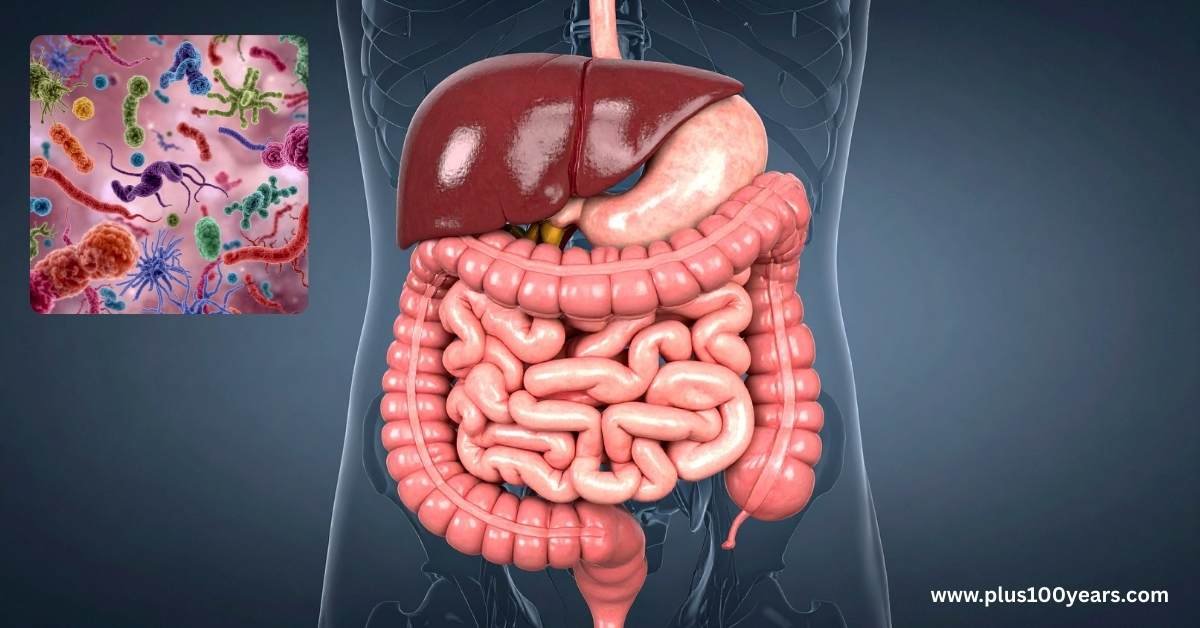
The Gut-Brain Axis is the ultimate two-way communication between your stomach and your brain.
They exchange signals through an intricate system of major nerves, chemical messengers, and even the trillions of tiny microbes residing in your body.
According to Johns Hopkins Medicine
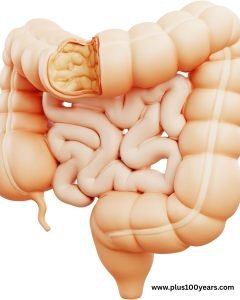
Our digestive system contains a second brain called ENS ( Enteric Nervous System ), which consists of over 100 million nerve cells lining the GI- Gastrointestinal Tract.
Two-Way Communication: The ENS and the Central Nervous System (the “big brain” in the skull) communicate constantly, which has profound effects on the body and mind
Your gut informs your brain of the most minute details with questions like: “Am I hungry?”, “Is this food safe?” “I’m feeling stressed,” or “All clear, we’re comfortable down here.”
Your brain, however, is not a mute listener. It sends a command back telling the gut how to work and react.
Have you ever experienced the feeling of your stomach getting tight right before a major presentation?
That’s your brain sending worry signals to your gut. Or maybe you have felt that tired, depressed feeling after eating something that didn’t agree with you? In that case, it might be your gut sending signals to the brain.
Great Tip
Your Gut Decides Your Health
Consume a wide variety of seasonal fruits, and vegetables, also include all these in your regular diet which are legumes, and whole grains. All these provide the necessary fiber (prebiotics) to feed a diverse, healthy gut microbiome.
Gut Health and Brain Connection
We, humans, need a fast-response defence to react to certain foods or other things, such as emotions.
If the stomach discovered poison or unhealthy food, it had to inform the brain immediately.
The brain reacts to the updated threats—it’s not killing berries anymore, it’s maybe that ultra-late fast-food run or too much coffee on an empty stomach.
Truth is, this connection makes human life smoother. Your gut, in fact, is a great source of intuition and subtle hints.
That typical “knot in your belly” before a hard talk? That’s your gut tossing around the different results!
The Simple Ways They Communicate
It sounds very complicated, but the communication is achieved by only a few fundamental characters:
- The Vagus Nerve: Think of it as the main cable that connects your brain to your stomach. The crazy part: most of the messages travel upward. Your stomach often talks louder than your brain!
- Hormones: Your gut is a chemical factory. Serotonin, the neurotransmitter that is most often associated with happiness and well-being? Most of it is created and kept right in your gut.
- The Microbe Ecosystem: Your gut houses a huge community of very small friends (the gut microbes) who help in food digestion and, most importantly, they also produce and send chemical signals directly to your brain. When they’re in harmony, your mood becomes stable and pleasant.
- Immune Signals: If your gut membrane is inflamed or irritated, your brain can respond with tiredness, “brain fog,” or sudden changes in mood.
Simple Signs Your Gut Is Talking
- Random mood swings that seem to come out of nowhere.
- Feeling anxious or noticeably low after certain types of meals.
- That dreaded ‘brain fog’ that won’t lift.
- Strange or overpowering cravings.
- Trouble getting or staying asleep.
I can recall a time when I ate something junky, and it made me cranky and irritable for no good reason. Most likely, you have too. The gut-brain conversation might be the key to understanding why.
So, Can You Learn to Listen to Your Gut?
Indeed, you can. And although it sounds somewhat cheesy or overly spiritual, your stomach is really the one trying to guide you through life.
If certain foods make you feel sluggish right away, that is definitely a signal. If you realize that your mind becomes extremely calm after a simple, home-cooked meal, then that really matters.
The friend of mine who found the best nutritionist in Bangalore wasn’t put on a strict diet. She was shown how to spot the specific foods that would consistently improve her mood.
She referred to it as “learning her stomach’s language,” and I really like that point of view.
Key Points you should remember about your ” GUT HEALTH “
The great news is that you do not require complicated, intense drills. Small, mindful changes will be enough to create a big difference:
- Consume more whole and unprocessed foods.
- Ensure that you are drinking enough water!
- Reduce the consumption of ultra-processed convenience foods.
- Do not stuff yourself with food; rather, chew it slowly.
- Keep your body active through some form of exercise every day.
- Make good sleep a priority in your life.
- If you are feeling stressed, practice slow breathing.

These simple deeds convey a steady, relaxing signal to your gut: “Hey, I see you, and I’m on your side.”
Stress, Sleep, and Movement
When your brain is under a lot of pressure, your gut shows signs of stress physically. The muscles get tightened, digestion slows down, and everything can feel heavy or even erratic. A direct connection it is.
However, the reverse is also true. If my gut is not happy with the food, let’s say a weird aeroplane meal during a long trip, my brain, on the other hand, becomes very sensitive and worried.
Everything just seems to be getting more difficult. You have certainly experienced that as well.
Did You Know?
Poor sleep affects your gut bacteria. And these tiny communities, when they change, your mood soon follows.
If I sleep less than six hours, my mind is not clear, and even the tastiest breakfast doesn’t taste as it should. Good sleep is what makes the communication between both sides clean and smooth.
And what about movement? Well, it assists the digestion process to go smoothly. When digestion is calm, it sends calm signals to the brain as well.
My brief walk in the morning is not only a method I use to awaken myself—it is what stabilises my stomach and consequently my mind. Just move a little.
My Very Own Story
I was in a position where I felt unexplainably depressed and bloated every evening for a period of time. I attributed that to work stress.
And then I took it upon myself to cut down on unhealthy habits for a month. The change was not like a miracle, but everything was different.
I felt clearer, physically lighter, and my mood was dramatically improved.
This change made me believe in the Gut-Brain Axis. I sometimes still eat unhealthily; I still do too much chai. But now, when my stomach talks, I’m listening.
Why This Matters for You
It’s not about being perfectly healthy. It’s about self-awareness. Learning this connection helps you:
- Identify your unique food or stress triggers without any trouble.
- Ensure steady, all-day energy levels.
- Make intuitive food choices that are beneficial for you.
- Be aware of your own physical being.
Don’t stress about solving everything today. Just start listening. Your gut has been communicating with you since the day you were born. Maybe now is the time to finally talk back and be a good listener.
Thanks for reading this article on How Your Gut-Brain Axis Shapes Your Mood and Mind.
Also Read :
3 simple Ayurvedic remedies for digestion
Most Effective Tips for Fast Digestion
5 Ayurvedic Herbs from Your Kitchen to Fortify Your Immunity This Winter
You can reach: Sreemathy Venkatraman – Qualified Clinical Dietitian
LinkedIn: https://www.linkedin.com/in/sreemathy-venkatraman-81110317/
Instagram: https://www.instagram.com/bitesizebysree?utm_medium=copy_link
Facebook: https://www.facebook.com/sreemathy.venkatraman/