
Updated: 08-06-2026; Author: Dr. Seetharaman earned her Doctor of Dental Surgery (DDS) degree from New York University College of Dentistry, practising at several dental offices before opening her own practice in Philadelphia.
Even hearing the words “root canal” may be enough to strike fear into many hearts. Over time, root canals have become associated with myths and legends that greatly exaggerate their difficulty, danger, and the amount of discomfort patients experience.
Actually, modern techniques and technology make root canals safer and much more comfortable than they once were, and certainly less threatening than many people imagine them to be.
Should you need a root canal in Philadelphia, there are several steps you can take to help ensure that your procedure goes smoothly.
This comprehensive guide addresses everything that you will need to know before undergoing root canal treatment.
Learn to recognise the common signs and symptoms that indicate the need for a root canal, gain an understanding of the root canal procedure itself, discover tips for a smooth recovery, and learn what to look for in the right Philadelphia dentist for this particular dental service.
What Is a Root Canal?
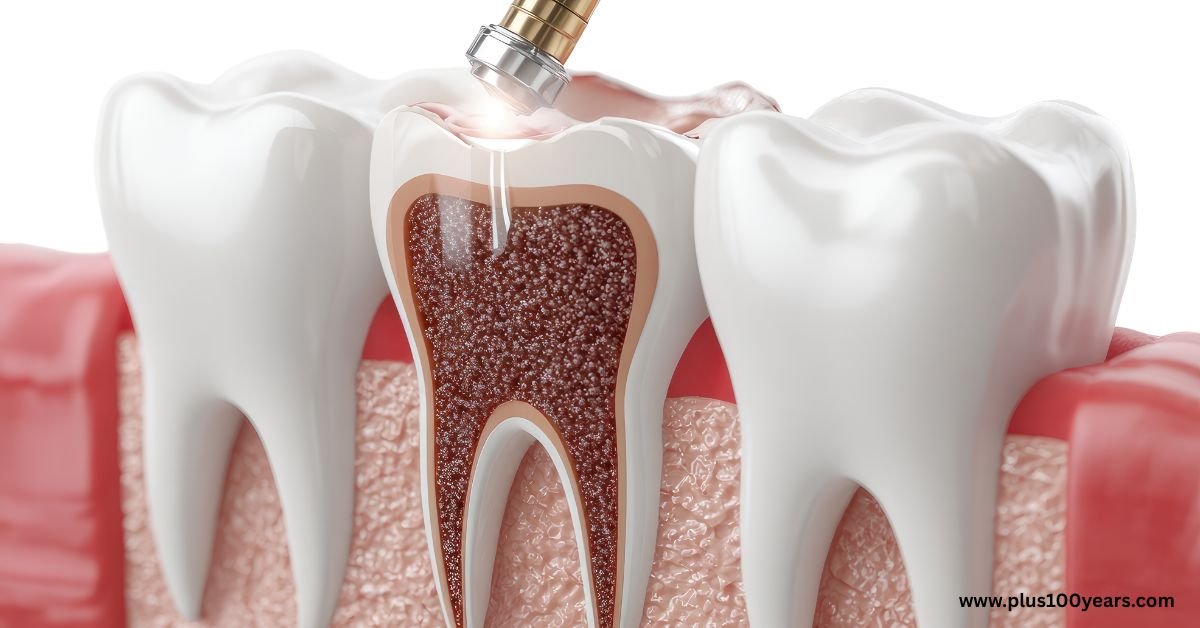
A root canal is a dental treatment that aims to rescue a tooth that has become damaged or infected.
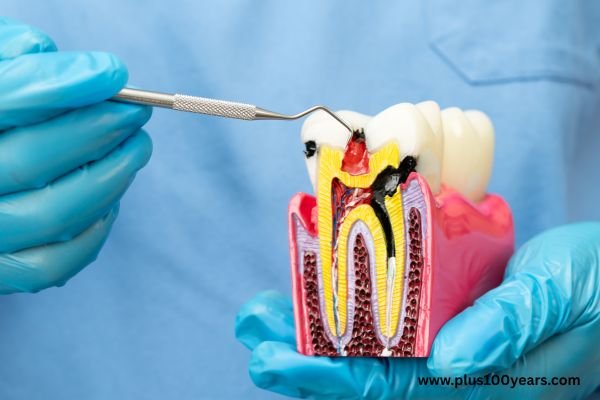
Your teeth contain a soft tissue at the centre of the tooth known as pulp, which carries blood vessels and nerves.
Deep decay, cracks in a tooth, traumatic injury and repeated dental treatment may all cause the pulp tissue to become inflamed or infected, which leads to inflammation and excruciating pain.
During the procedure, the dental surgeon or endodontist removes the infected pulp tissue from within the tooth, disinfects and cleans the space before filling it and sealing the tooth to prevent any infection from occurring.
In most cases, a dental crown will be fitted onto the treated tooth in order to reinforce and strengthen the tooth.
The aim of a root canal is basic, but it can save the life of your natural tooth and alleviate severe pain.
Signs You May Need a Root Canal
It’s not always the case that you’ll need root canal treatment every time you have a toothache, but there are various symptoms which are typical of a deep tooth infection:
- Persistent Tooth Pain
If the pain in your tooth lingers or is aggravated by hot or cold food and drink or biting down, then there is a possibility the pulp within the tooth has become infected.
- Sensitivity to Hot or Cold
If a tooth remains sensitive for some time after consumption of hot or cold food or drink, the nerve within the tooth may have been damaged.
- Swollen Gums
The gums near a painful tooth may feel tender or swell, and you may even notice a few small bumps around the area of the tooth; this could indicate infection within the tooth.
- Tooth Discoloration
A tooth that becomes dark or greyish may indicate nerve damage inside the tooth.
- Cracked or Injured Tooth
A cracked tooth, even one with only a hairline fracture, can lead to bacteria entering the pulp and causing infection after a period of time.
If you recognise any of these signs, you must arrange to see a dentist as soon as possible, as any delays will only make the infection more serious and potentially lead to the loss of your tooth.
Why People in Philadelphia Choose Root Canal Treatment
People in Philadelphia have such active lifestyles that dental pain could be disrupting your work, family time or daily schedule.
One of the advantages of the root canal procedure is that it saves the patient their own tooth and eliminates the pain fast.
Nowadays, many dental clinics in Philadelphia have updated devices and tools such as digital X-rays, the rotary file system and local anaesthesia, which can make the treatment faster and more comfortable than before, especially for patients seeking Root Canal Philadelphia services.
If we save our natural teeth, then our chewing, jaw alignment, and overall mouth health can be maintained.
What Happens During the Procedure?
The fear of the unknown is often what bothers patients the most. The root canal procedure is broken down into a simpler manner.
Step 1: Examination and X-Rays
Your dentist will first examine the tooth and take X-rays to determine the extent of the infection.
Step 2: Local Anaesthesia
The area around the tooth is numbed using local anaesthesia. Most patients say the procedure feels similar to getting a standard filling.
Step 3: Removing the Infection
A small opening is created in the tooth to remove the infected pulp and bacteria from the root canals.
Step 4: Cleaning and Sealing
The inside of the tooth is carefully cleaned, shaped, and sealed with a special material to protect against future infection.
Step 5: Tooth Restoration
In many cases, a crown is placed on the tooth to restore strength and appearance.
Depending on the condition of the tooth, treatment may take one or two appointments.
Is a Root Canal Painful?
This is quite possibly the number one thing patients want to know about root canal treatments. Good news: root canal treatments are intended to relieve pain rather than to cause pain.
Today, due to advancements in anaesthesia and technique, the treatment is generally quite comfortable for patients.
The pain from an untreated infection in a tooth, more often than not, far outweighs the treatment.
Some tenderness or sensitivity is normal for a few days after the procedure, but this can normally be easily treated with over-the-counter pain killers.
Recovery Tips after a Root Canal Treatment
Recovering after root canal treatment is typically a relatively simple process. By following the recommendations given by your dentist, you can facilitate this process as quickly and painlessly as possible:
1. Avoid Hard Foods
While you can eat whatever you like for the first few days after your procedure, focus on soft foods until the root canal is complete and the permanent crown is placed. Avoid chewing with the root canal tooth at first.
2. Maintain Good Oral Hygiene
Continue brushing and flossing gently to keep the area clean.
3. Take Medications as Directed
Follow your dentist’s prescription exactly. He or she may prescribe antibiotics and/or pain medication.
4. Attend Follow-Up Visits
You’ll have follow-up appointments to place a permanent crown, and you should not miss any appointments.
Most people can return to their routine normal daily activities on the same or next day.
How to Choose the Right Root Canal Specialist in Philadelphia
Philadelphia has many experienced dental professionals, but choosing the right provider matters. Here are a few things to look for:
- Experience with root canal procedures
- Modern dental technology
- Positive patient reviews
- Emergency dental services
In some cases, you may be referred to an endodontist, who is a dentist specialising in root canal procedures.
Before booking, feel free to ask about the procedure, healing process, and costs.
Common Myths about Root Canals
Myth 1: Root Canals Are Extremely Painful
Modern root canals are usually no more uncomfortable than getting a filling.
Myth 2: Tooth Extraction Is Better
Saving your natural tooth is almost always the healthier and more cost-effective option.
Myth 3: Root Canals Cause Illness
This outdated myth has been scientifically disproved. Root canals are safe and widely performed every day.
Final Thoughts
A root canal procedure might sound scary at first, but they are one of the best ways to salvage a tooth that is about to die, while stopping the associated pain in its tracks.
Modern dentistry is such that the Philadelphia root canal process today is more comfortable, efficient and successful than it was ever before.
If you are suffering from tooth pain, swelling or sensitivity, be sure to seek out treatment for your tooth’s problems.
Treating these early issues can save your smile for many years to come and prevent any future trouble.
Don’t worry – a root canal is not something to be feared; it’s a path to relief and healthy oral care.
Author’s Bio :
Dr. Viji Seetharaman is a compassionate dentist dedicated to preventive, restorative, and cosmetic dentistry.
With extensive experience and advanced training, she provides personalised care for children and adults, creating confident, healthy smiles through gentle treatment and innovative dental solutions.
https://www.facebook.com/mysmileforlifepa