

Updated: 29-06-2026; Author: Ashish Kolte (see below for more about the Author) , Reviewed by: Dr Raja Reddy (MD Ayurveda,
For millennia, Ayurveda has held the conviction that “food is medicine”.
Without knowing about the microbiome, antioxidants, inflammatory pathways, or metrics for metabolic health, Vedic wisdom practitioners promoted individual diet plans, strong digestion, seasonal eating, and nutrient-dense natural foods that offer therapeutic benefits.
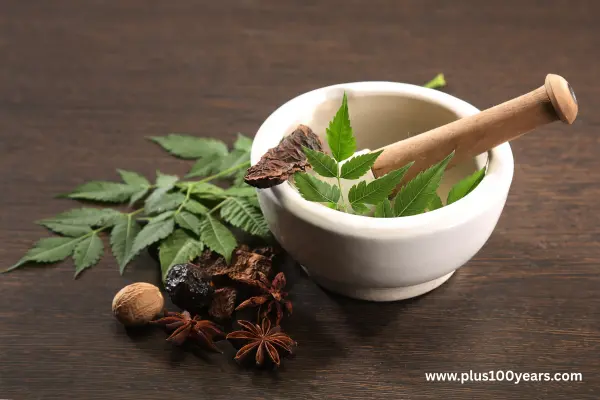
In our era of rapidly increasing rates of chronic disease and rapid ageing of populations, Western medicine is coming full circle, corroborating many of the principles of food prescribed in the Vedic approach.
Across disciplines – among academics, providers, clinicians, nutrition scientists, and patients – attention is being paid to the potential of Ayur Food as an important pillar of prevention against inflammation, promoting a healthy gut, healthy ageing, and mitigating disease.
Beyond growing consumer adoption, market trends highlight this worldwide adoption. The global Ayurvedic foods market was worth $5.5 billion in 2025 and is estimated to reach USD 12.84 billion by 2034, growing with a CAGR of 9.8%.
The fast rate of growth in market penetration can also be attributed to the evolving consumer shopping habits toward traditional, plant-based health and wellness products that offer the natural integrity of Ayurveda balanced with advanced nutritional understanding.
With rising concerns over prevention, gut health, immunity, and healthy ageing, more consumers are choosing Ayurvedic foods to achieve sustained, disease-free living.
The Global Health Crisis Driving Interest in Ayurvedic Nutrition
Our society has become plagued by the epidemic of chronic diseases, which have become major causes of health expenditure and death around the world (heart disease, diabetes, obesity, digestive diseases, ageing disorders, etc.).
Unlike an infectious disease that is sudden, such disorders manifest slowly, and generally, they result from our diet and chronic stress, inflammation and metabolic imbalances.
Modern medicine is excellent at managing the symptoms of chronic conditions and slowing the progression of disease.
However, a stronger emphasis is now beginning to be placed on preventive health and lifestyle methods that address the fundamental reasons of illness, before the illness takes hold.
Ayurvedic nutrition, with all of its complexities and wisdom, can help guide us on the journey of preventive care.
Ayurveda looks not just at calories, fats, carbohydrates – but also into how foods will be digested, individual constitution, seasonality of foods, combinations of foods and their long-term impacts on the body.
Interestingly, many of these concepts are even starting to gain traction in the modern day diet world.
Food as the First Line of Defence
The oldest Ayurvedic wisdom: Digestive wellness is the foundation for vibrant health.
From ancient wisdom to cutting-edge: Digestive wellness. Our ancestors, the Vedic rishis, developed teachings that focused on cultivating Agni, the internal “digestive fire” that helps the body properly assimilate nutrients.
Their strategies around dietary choices and optimal meal consumption naturally influence microbiome balance.
As early research is showing, there is a strong connection between the microbiome to immunity, nutrient use, controlling inflammation, and the ageing process itself.
In an Ayurvedic perspective, using herbs, spices, fermented foods and creating the right environment to feed thriving and diverse flora have always been present from day one.
Why Anti-Inflammatory Foods Matter More Than Ever
In fact, this phenomenon has been well documented by most of the research scientists to cause a wide spectrum of ageing and diseases in humans, so much so that they have collectively referred to it as inflammaging.
This means prolonged subacute inflammation that increases the likelihood of us developing certain heart diseases, diabetes, Alzheimer’s, arthritis, and immunosenescence.
Many foods common to Ayurvedic diets contain compounds that are known for promoting healthy inflammatory responses:
- Turmeric
- Ginger
- Cinnamon
- Holy basil (Tulsi)
- Garlic
- Amla (Indian gooseberry)
- Fenugreek
Turmeric, a plant-derived ingredient that is loaded with one of the most researched and beneficial compounds for anti-inflammatory and antioxidant qualities, in particular.
Instead of a supplement, these spices, herbs and foods are blended into meals on a regular basis as part of a diet that could cumulatively impact health benefits over the years.
The Gut Microbiome Connection
However, the best area of convergence between science and Ayurveda is probably the gut, now said to be the true “organ to end all organs” as it controls the health of every other organ and system.
The gut microbiome is now acknowledged by scientists as a fundamental modifier of human health. It indicates that age-related diseases appear to be associated with an increasing diversity of dysbiosis and inflammation.
Here’s how natural Ayurvedic recommendations support a diverse microbiome:
- High-fibre plant foods
- Legumes and pulses
- Seasonal fruits and vegetables
- Fermented preparations
- Culinary herbs and spices
Researchers have found that the human gut, if enriched with plants in the diet, contributes to healthy bacteria within.
It is significant because your health depends on these ‘good guys’ in your gut – affecting your immune function, learning, vitamin absorption, even the ageing of your skin.
Personalisation: The Missing Piece in Modern Diets
Science shows it is the human body (especially the plant-filled diet and associated good guys residing there in the human body).
It is important, as its status dictates many factors about your health, like your ability to learn, your body’s absorption of vitamins, your immune levels and even how you age.
Ayurvedic Foods and Healthy Ageing
Longevity isn’t about making years-it is about adding to our ‘healthspan ’-years of life in good health.
There is a strong focus in Ayurveda on rejuvenation, vitality and maintaining ‘functional independence’ throughout the ageing process.
The following foods have traditionally been linked to long-life practices of Ayurveda:
Amla (Indian Gooseberry)
Amla (Indian Gooseberry): The classic go-to for vitamin C and antioxidants, amla is most infamous to lend a hand to your immune system, as well as contributing to a great-feeling and good-looking complexion.
Ghee
Clarified butter (ghee) has a significant role in Ayurvedic cooking. Consuming it in small quantities and as part of a whole, well-rounded diet provides abundant oil-soluble nutrients and improves nutrient absorption.
Mung Beans
Mung beans are recommended on cleansing and replenishment regimens for their high nutrient value and easy digestibility.
Turmeric
Renowned for its antioxidant and anti-inflammatory properties, turmeric is one of the most rigorously studied pharmaceutical substances in all of Ayurveda.
Fermented Foods
Traditional fermented foods can be a source of probiotic organisms and promote digestive health.
A key trait is that they are not thoroughly processed; they are high in nutrients, and they are part of a healthy, balanced diet rather than standing as a separate wave of healthy eating.
Scientific Evidence Continues to Grow
But even though it is rooted in traditional practice, dietary recommendations in Ayurveda is starting to be looked at in a new scientific light.
A review of Ayurvedic approaches to prevention and treatment of chronic illness shows promise in lowering inflammatory markers, improving quality of life, symptoms, and metabolism when complementing traditional treatments.‘
Further high-quality clinical trials with large and consistent designs and populations are warranted, though the research in this area has yielded exciting findings,’ said a summary of the research on the subject, which pointed to potential anti-inflammatory, antioxidant and immune-modulating effects of Ayurvedic interventions.
Even better still, you get crossover on mechanisms, as discussed – for instance, regulation of gut microbiomes, lowered oxidative stress, restored metabolic balance, improved immune support – all key for health, longevity, and disease prevention!
Practical Ways to Incorporate Ayurvedic Nutrition
Adopting Ayurvedic food principles does not require a complete dietary overhaul.
Simple practices include:
- Prioritising freshly prepared meals
- Eating seasonally whenever possible
- A medley of colourful plant foods
- Use anti-inflammatory herbs and spices like turmeric and ginger to achieve this.
- Decreasing the intake of ultra-processed foods
- Maintaining consistent meal times
- Listen up for cues about the food and satisfaction signals.
- Incorporating a fibre-rich diet that supports microbiome health
They share significant parallels with multiple evidence-based recommendations around diet and lifestyle for disease prevention and healthy ageing.
Root of the matter: Future foods tied to the past
As our systems start to move from treating the symptoms of disease to preventing it, the nutritional approaches to Ayurvedic diet and lifestyle have started to prove to have a new relevance.
Because it really is showing up in new studies – we have discovered the microbiome, metabolic health, Inflammation, and Personalized Nutrition, and they have shown, remarkably, that they had many similar guiding principles all along; it’s just in our own history.
Ayurvedic food systems aren’t about preventing every disease; they don’t have all the answers or the key to stop ageing entirely; however, it’s also remarkably intuitive, personalised and incredibly sustainable for a lifetime as our environment is changing so dramatically.
I really do believe that in an age of chronic health conditions and hyper-processed foods, I truly think, one of the greatest, most affordable resources we have for long and healthy lives.
It could turn out that the future of healthy ageing isn’t based on finding brand new miracle products but simply reclaiming wisdom, based in tradition, and using food – quite simply – as medicine.
Author Bio :
Ashish Kolte is a Marketing Manager at DataIntelo specialising in market intelligence, business strategy, and emerging industry trends. He writes research-backed insights on artificial intelligence, healthcare, industrial markets, and global business developments.
LinkedIn: https://www.linkedin.com/in/ashishkolte/
Dr.Raja Reddy ( MD – Ayurveda ), Founder of Aradhana Ayurveda Wellness & Research Centre, Nanded Road, Bhainsa, State: Telangana, India.
Also Read
What Is Ayurveda Treatment And Why Is It So Relevant In Today’s Times?
How To Lose Weight With Ayurveda: 9 Important Tips
5 Ayurvedic Herbs from Your Kitchen to Fortify Your Immunity This Winter