

Updated: 16-08-2026; Author: Dr Gundu Reddy, Medical Director and board-certified forensic psychiatrist at GABA Telepsychiatry, with over 15 years of experience in clinical and forensic settings across the US and Canada.
How Depression and Dementia Connect?
Studies have found that those who suffer from depression are twice as likely to develop dementia.
Depression is not just feeling unhappy, but much more than that. It is a severe mental problem that leads to numb thinking, a numb feeling, and difficulty in everyday activities. Dementia, on the other hand, is a cognitive impairment.
It leads to the loss of memory, thinking, and even a person’s personality.
According to WHO, every year, millions of people are diagnosed with dementia, and the figure is forecast to rise steeply in the coming years.
So, research suggests that depression may be a contributing factor to dementia. Let’s explore this in detail.
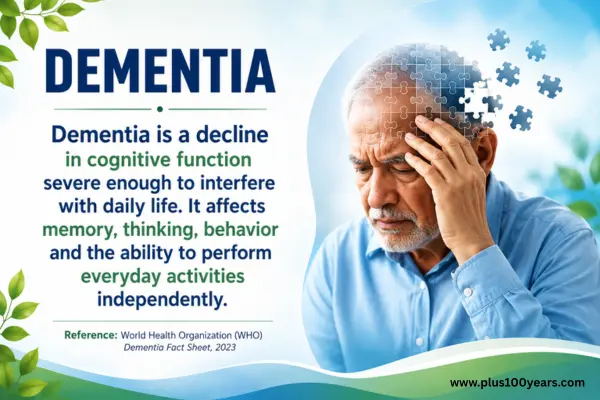
What does depression do to the brain?
Imagine the brain as a house that has gone through some heavy storms.
A single storm will not ruin it, whereas repeated storms, with no maintenance between them, have exerted long-lasting structural weaknesses that are not immediately visible. That’s how long-term depression functions. This is the process:
Overloads the body with stress hormones:
It puts the body into a state of stress. Pushing the body like this causes it to keep producing stress hormones, cortisol.
When cortisol is present at high levels for a long time, it takes a toll on the brain’s memory centre, aka the hippocampus (a region involved in learning and memory).
Besides, a shrinking hippocampus is one of the first signs in people who suffer from dementia later on.
Triggers inflammation:
Depression causes mild inflammation in the brain. This inflammation over time leads to impairment of brain cells.
It does not happen immediately; rather, it gradually shrinks, as rust on metal does.
Interrupts blood flow in the brain:
The consequence of poor brain blood circulation is that brain tissue begins to die off. This kind of impairment is directly bound to vascular dementia, a kind of dementia.
Declines in brain growth factors:
Typically, brain-derived neurotrophic factor (BDNF) is referred to as the fertiliser for our brains.
BDNF is a protein that keeps brain cells strong and their growth active. Depression results in reduced BDNF levels. Lowering BDNF means that the brain is less capable of replacing its cells and developing further.
Note that having depression and dementia is not a result of weakness or a personality flaw.
It is pure biology. It occurs quietly, slowly, over the years. Typically, this is how stress and emotional pain are manifested in a physical organ when they are not properly addressed for a long time.
Does it matter when depression starts?
Yes, it does. Depression developed in childhood can change the way the brain is formed. It can slow a particular kind of tissue called grey matter, where thinking, emotions, and reasoning take place.
A young brain that suffers from depression is not having emotional trouble. It’s being moulded by that hardship in a way that can stay with it for decades.
Depression in middle life, between the ages of 40 and 60, has been linked to Alzheimer’s disease later in life for more than a few who went through it.
It is one of the root causes that is certainly speeding up, like pressing fast-forward on cognitive decline.
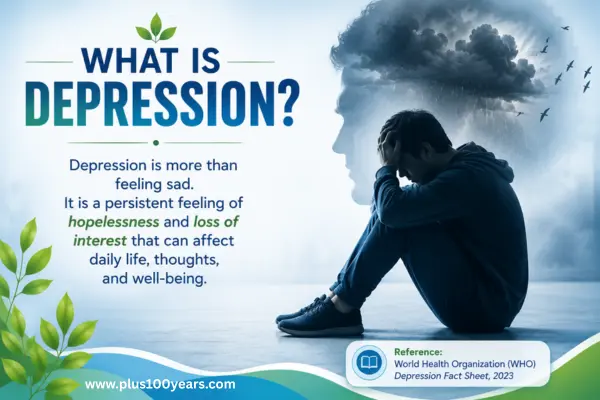
If an elderly person is experiencing depression, some changes may have begun in their brain.
However, it doesn’t mean that they are certain to have dementia, but it is a sign that they need both emotional and affectionate care. It is best to seek professional help from a dementia psychiatrist for a comprehensive care plan.
Mixed dementia signs and symptoms
One of the complications of the situation is that the symptoms of depression and early dementia are often similar. They both can result in:
- Forgetting things more frequently than before
- Withdrawing from activities previously enjoyed
- Difficulty concentrating and engaging in a conversation
- Seemingly unrestful yet continuous sleep
- Mood shifts without any specific reasons
When these symptoms occur together, particularly in the elderly, they should not be considered as simply the effects of ageing or grief. They need careful diagnosis and a full understanding of both disorder conditions.
Why do things get worse without anyone realising it?
Sometimes it seems that the factors preventing them from overcoming their symptoms have not yet been identified. Some of these things include:
- Isolation: When a person is away from others, the brain loses necessary stimulation. Connection is not just an emotional force but a pastime for the mind.
- Lack of good sleep: Sleep without rest, which causes the process to fail.
- Living without addressing a physical illness: Health illnesses like diabetes or heart disease require additional aids for the brain. Having depression only worsens and overwhelms this illness.
- Family history: While there is a connection, it’s important to note that a family history can increase the risk of both depression and dementia. This doesn’t necessarily mean they’re predisposed to these conditions, but it does suggest they should be more cautious at times.
Dementia Overcoming Tips and Tricks
Professional treatment from a psychiatrist expert in dementia and depression treatment, as well as personal development, are the most effective habits for good brain health. These do not directly help to get immediate results, but they work silently in the background.
- Moving the body regularly: Even a 15-20-minute walk can increase blood flow to the brain and naturally help balance mood chemicals.
- Sticking to sleep rules: The brain removes toxins that can damage brain cells during restful sleep. The importance of good sleep to this process cannot be overstated.
- Engaging with people: This is beneficial to mental health. A phone call. A walk with someone. A group activity. These activities make the brain energised.
- Eating a balanced diet: Less processed food, less sugar, more fresh foods. It sounds easy, but it is a change that shows over time.
- Practising simple, calming methods: Breathing exercises, quiet time, and gentle movements like yoga are not just means of relaxation. They help the nervous system know it is okay to slow down.
Getting expert help
Cognitive behavioural therapy (CBT) is a form of talk therapy that helps individuals to analyse their thoughts causing suffering slowly and steadily and then to change them gradually.
Therapy can even consist of sessions that include memory, music, art, and time spent with animals, which help the brain process tasks and the heart feel less lonely. They are not that magical, but they are meaningful.
In addition to talk therapy, medication (in moderate to severe cases) helps balance neurotransmitters to improve your mood.
Nowadays, therapy sessions with psychiatrists are also available through platforms like GABA Telepsychiatry for a consistent treatment plan.
It is important to acknowledge that seeking help, at last, doesn’t mean that a person is giving up. It is the most definitive expression that one knows what their brain actually wants.
More Blog About Depression :
Control Your Life in 2026 & Practical Stress Management Tips For Indians