
Updated: 12-08-2026
Vitamin D is generally known as the “sunshine vitamin” because of its important function in producing strong bones and aiding the absorption of calcium.
Explore key concepts about the correlation between vitamin D deficiency and autoimmune disease.
Yet modern scientific research has shown that it has a much more complicated and significant role: it acts as a strong immunomodulator.
For those people who have an autoimmune disease or are at an increased risk of developing one, it is not merely advantageous to understand the close link between vitamin D deficiency and immune system health; it is in fact absolutely essential.
An impaired immune response is the central issue in any autoimmune disease, and vitamin D is the primary regulator that ensures proper control over immunity.
Given that many people find it difficult to ensure sufficient levels of this vitamin via exposure to sunlight and diet, supplementation often becomes an integral part of their treatment plan.
For individuals who wish to have an efficient tool to help them regulate their immune system, starting by taking Autoimmunity Care’s Vitamin D3 supplement will definitely make a lot of sense.
Autoimmune Diseases Explained
In order to appreciate the significance of vitamin D, one must first comprehend how autoimmune diseases develop.
Ideally, the immune system works as an efficient machinery that recognises any foreign organisms, such as viruses and bacteria.
However, the immune system fails to recognise the foreign body in autoimmune diseases. As a result, the immune system is unable to distinguish foreign invaders from healthy individuals’ cells and launches inflammatory attacks on the healthy individual’s tissues.
This attack by the deluded immune system can have far-reaching effects on practically any part of the body, from joints in cases of rheumatoid arthritis, the central nervous system in multiple sclerosis, to pores and skin and organs in SLE.
Managing these conditions involves shutting down this misfiring, hyperactive immune system response. This is when the role of vitamin D as not just an essential nutrient, but a critical hormone becomes relevant.
The science: The Regulation of the Immune System by Vitamin D
From the biological perspective, Vitamin D functions more as a prohormone than a vitamin.
Following its introduction into the body, either as a product of biosynthesis within the skin due to sunlight exposure or ingestion, the vitamin undergoes several steps in the liver and kidney to become its active form known as calcitriol.
The major evidence of the role of Vitamin D in immune system regulation is the fact that nearly all types of immune cells contain Vitamin D receptors (VDR).
These include B cells, T cells, as well as macrophages and antigen-presenting cells. Receptor binding provides instructions to the immune cells.
1. The process involves a subtle, two-fold balancing act:
2. It improves natural immunity: It increases the ability of macrophages and monocytes to fight off infection.
3. It decreases adaptive immunity hyperactivity: This is the vital function that benefits people with autoimmune conditions.
4. Vitamin D suppresses pro-inflammatory cytokine production, which are chemical mediators of inflammation, and promotes regulatory T-cell (Treg cell) formation. Treg cells act like the “brakes” in the immune system to prevent it from attacking healthy self-tissues.
Without proper levels of vitamin D in your body, these important “brakes” do not work properly, making it possible for autoimmune reactions to develop and intensify.
Correlation Between Vitamin-D Deficiency And Autoimmune Disease
There have been numerous epidemiological studies and randomised controlled trials that have clearly and indisputably shown the direct connection between the deficiency of Vitamin D in one’s blood and the probability of having certain autoimmune diseases.
- Multiple Sclerosis (MS): The relation between Vitamin D and MS is the one that is best studied by the scientific community.
- Back in time, it was discovered that there was a geographical connection with MS – populations located farther away from the equator (which means they receive less sunlight) had a much higher incidence of MS.
- Now it has been scientifically proven that proper levels of vitamin D in childhood considerably decrease the risks of developing MS.
- In addition, for those people who are already sick, proper levels of Vitamin D mean less relapses and less development of brain lesions.
- Rheumatoid Arthritis (RA): In rheumatoid arthritis, the immune system aggressively destroys the synovial layer of the joints. RA patients generally show low levels of vitamin D. It has even been shown that severe deficiency of vitamin D in RA patients correlates with high disease activity, joint pain, and physical disability.
- Systemic Lupus Erythematosus (SLE): Lupus is an example of a medical condition that poses a special dilemma.
- Since one of the characteristic symptoms of SLE is intense photosensitivity (where exposure to UV rays causes serious skin rashes and disease flares), patients are always warned against exposure to the sun.
As a result, vitamin D deficiency is extremely common among people with Lupus, leading to a vicious cycle of problems.
- Inflammatory Bowel Disease (IBD): Disorders such as Crohn’s Disease and Ulcerative Colitis are usually localised in the digestive tract. Due to being fat-soluble vitamins, absorption of Vitamin D takes place within the digestive system. This means that due to the damage caused by IBD, malabsorption becomes very severe. This results in an increased inflammatory response in the gut.
- Hashimoto’s Thyroiditis: An autoimmune disease that attacks the thyroid gland and results in hypothyroidism.
- There have been many studies where it has been observed that most of the individuals suffering from Hashimoto’s lack Vitamin D, and some even say that its restoration may reduce the auto-antibodies of the thyroid gland.
What makes the autoimmune population more vulnerable to deficiencies?
Ironically, it is the population that needs vitamin D the most that becomes most susceptible to deficiency.
Shall I increase my Vitamin D naturally?
Yes, without any supplements, you can increase your Vitamin D levels by exposure to sunlight and Diet naturally.
This happens due to several reasons:
- Sunlight Aversion and Lack of Mobility: As noted previously, many of those with Lupus are required to actively avoid exposure to sunlight.
- Furthermore, the severe exhaustion, pain, and joint stiffness that often accompany many autoimmune disorders make it difficult to spend enough time outside being physically active.
- Side Effects of Medication: Corticosteroids, such as prednisone, serve as a key treatment option for acute flare-ups in autoimmune disease because of their strong anti-inflammatory effects.
- The constant use of corticosteroids serves as an active interference with vitamin D metabolism, as well as calcium intake, resulting in deficiencies.
- Gastrointestinal Absorption: When an autoimmune disease attacks the gastrointestinal tract (Celiac disease or IBD, for example), damage is done to the villi necessary for nutrient absorption, making the ingestion of Vitamin D impossible through normal means.
- Rise in demand: There have been some speculations among some scientists regarding the possibility that the inflammation, which occurs during an autoimmune disease, leads to a faster usage of vitamin D in the body than is seen in a healthy individual..
Identifying the Signs of Deficiency
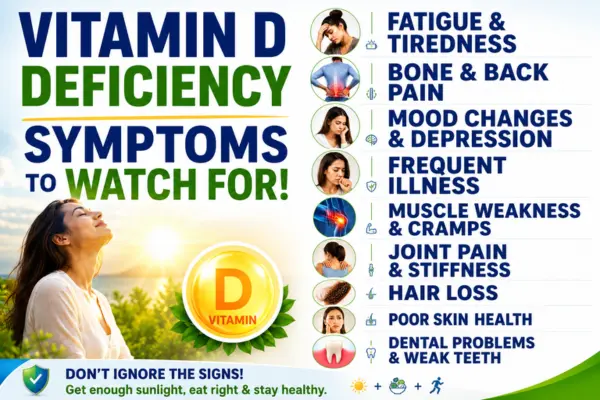
As the symptoms of vitamin D deficiency are quite similar to those of most autoimmune diseases, its detection is rather difficult. The common symptoms are:
- Extreme fatigue that does not get better with rest.
- Persistent pain in the bones and joints.
- Weakness in muscles and muscle spasms.
- Feelings of sadness and hopelessness or feeling anxious.
- Vulnerability to common illnesses, such as colds.
Practical Steps: Testing and Therapy
If you have an autoimmune condition or are at high risk of developing one due to family history, maintaining adequate levels of Vitamin D is an absolute necessity.
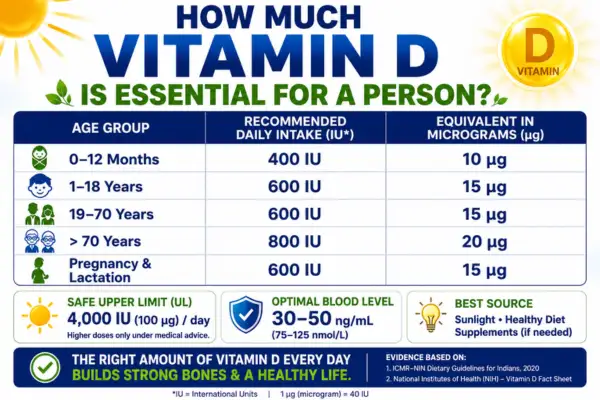
Test Yourself: The definitive means of finding out your status is by means of a test that measures a specific blood marker, which is known as the 25-hydroxyvitamin D [25(OH)D].
Do not assume what your status is; rather, find out your baseline in consultation with your doctor.
Where conventional lab values usually measure any value over 30 ng/mL as “sufficient”, many functional medicine specialists and rheumatologists suggest that optimal levels lie between 50-70 ng/mL.
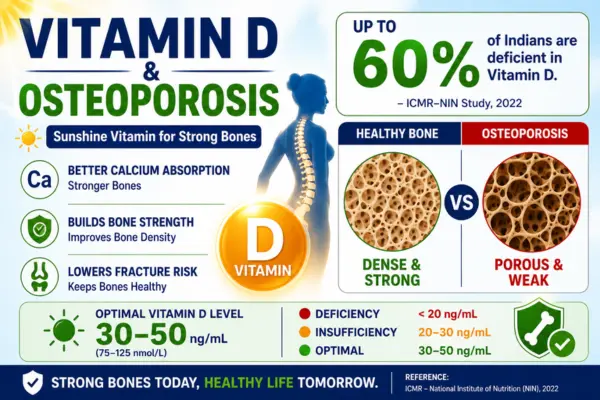
Not only is vitamin D an extremely convenient nutrient to have when dealing with osteoporosis, but it is a great leader of the immune system.
Though vitamin D is not a treatment of choice for autoimmune diseases, the complicated connection between vitamin D and immune system function proves to be a very effective and safe method of achieving the best results.
This being said, there is no reason not to make sure to take some proactive and very effective measures at certain stages of your life.
Vitamin D is not merely a handy nutrient to deal with osteoporosis; it is a long way from being a master regulator of your immune system.
Even though the restoration of vitamin D insufficiency is not enough as an individual approach to tackle any autoimmune condition, the sophisticated connection between this essential hormone and your immunity is a truly potent, safe, and empowering weapon to achieve your ultimate goals. Armed with this knowledge, you will be able to make effective moves forward in your life.
Strategic Supplementation: For the vast majority of those with autoimmune diseases, oral supplementation is the optimal and indispensable method.
In the first place, you have to make sure that you take Vitamin D3 (cholecalciferol) rather than Vitamin D2, because it is the natural form of vitamin that your body produces and which has significantly better effects on increasing the levels of vitamins in your blood.
In the second place, it is crucial that along with Vitamin D you also supplement yourself with Vitamin K2.
Vitamin D helps the calcium go into your blood, but Vitamin K2 acts as the traffic police, making sure that it is being used properly.
This vitamin is not just a handy supplement for osteoporosis; this vitamin is leagues ahead a great leader of your immune system.
Even though addressing vitamin D deficiency alone cannot cure an autoimmune condition, the complex connection between this key hormone and your immune system is an incredibly potent, safe, and immensely empowering tool in achieving the best results.
Once you are aware of this, you can take practical steps to improve yourself and move forward in your life.
Also Read :
How to get Vitamin D, other than the sun
Sunlight Provides Adequate Vitamin D for the Body
Essential Vitamins for a 40-Year-Old Woman to Lead a Healthy Life